Introduction
Mobile applications have transformed the way businesses connect with customers. From ordering food and booking rides to managing finances and healthcare, smartphones have become an essential part of daily life. As mobile usage continues to grow worldwide, businesses that invest in professional Android and iOS app development gain a significant competitive advantage.
Whether you are a startup, small business, or large enterprise, a well-designed mobile application can improve customer engagement, increase revenue, strengthen brand loyalty, and streamline operations.
In this comprehensive guide, we will explore everything you need to know about Android and iOS app development, including benefits, technologies, development processes, costs, trends, and best practices.
What Is Mobile App Development?
Mobile app development is the process of designing, building, testing, and deploying software applications for smartphones and tablets.
The two dominant mobile platforms are:
- Android
- iOS
Android applications are developed primarily for devices running Google’s Android operating system, while iOS applications are built specifically for Apple’s iPhone and iPad ecosystem.
Professional app development involves:
- User Interface Design (UI)
- User Experience Design (UX)
- Front-End Development
- Back-End Development
- Database Management
- API Integration
- Security Implementation
- Testing and Quality Assurance
- App Store Deployment
- Ongoing Maintenance
Why Mobile Apps Matter for Modern Businesses
Businesses can no longer rely solely on websites.
Mobile apps offer unique advantages that websites cannot always provide.
Enhanced Customer Engagement
Mobile applications create direct communication channels between businesses and customers.
Features include:
- Push Notifications
- In-App Messaging
- Personalized Content
- Loyalty Programs
These features increase customer retention and engagement.
Improved Customer Experience
Apps provide faster performance compared to traditional websites.
Benefits include:
- Quick Loading Speed
- Offline Accessibility
- Smooth Navigation
- Personalized User Experience
Increased Revenue Opportunities
Businesses can generate revenue through:
- Product Sales
- Subscription Models
- In-App Purchases
- Advertising
- Premium Features
Stronger Brand Recognition
A mobile app keeps your brand visible on customers’ devices, increasing trust and awareness.
Android App Development Explained
Android is the world’s most widely used mobile operating system.
Millions of businesses choose Android app development because of its large global market share.
Advantages of Android Development
Larger Audience Reach
Android powers billions of devices worldwide.
Flexible Customization
Developers enjoy greater freedom in creating customized solutions.
Cost-Effective Development
Android development often offers lower entry barriers for businesses.
Easy App Distribution
Apps can be distributed through:
- Google Play Store
- Enterprise Platforms
- Third-Party App Stores
iOS App Development Explained
iOS app development focuses on Apple’s ecosystem.
Apple users are often highly engaged and willing to spend more on premium products and services.
Advantages of iOS Development
High-Quality User Base
iOS users generally demonstrate strong purchasing behavior.
Enhanced Security
Apple maintains strict security standards.
Better Performance
Apple devices benefit from optimized hardware and software integration.
Premium Brand Perception
Many businesses choose iOS apps to serve premium market segments.
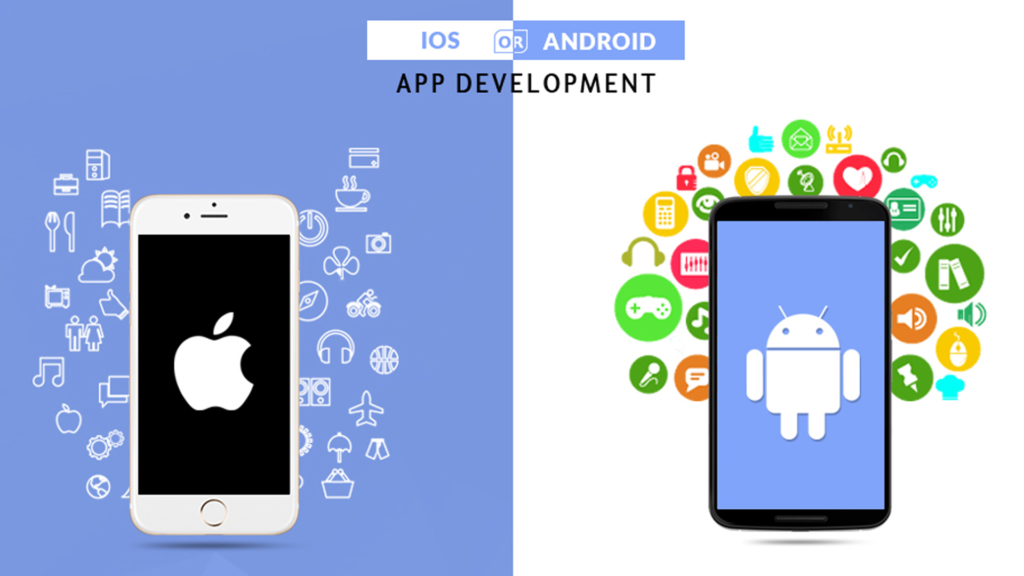
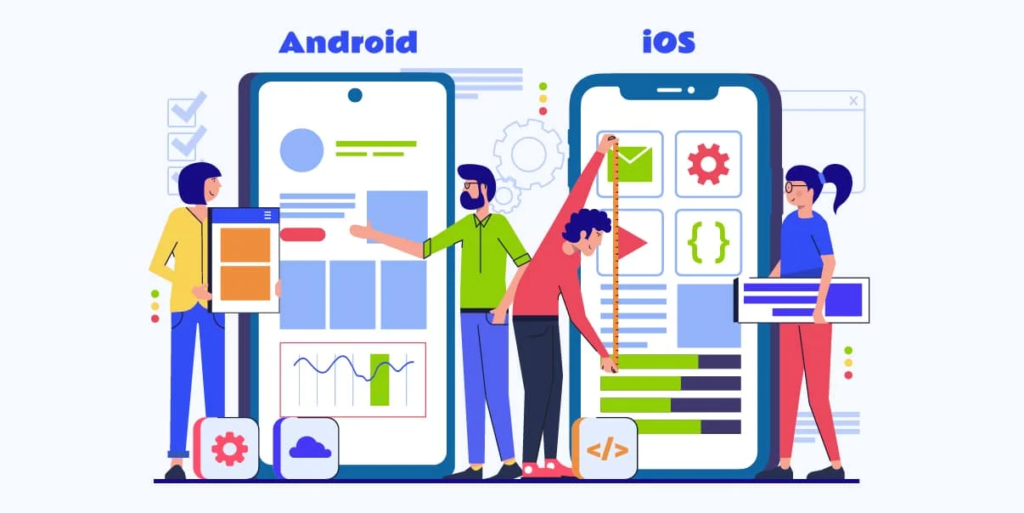
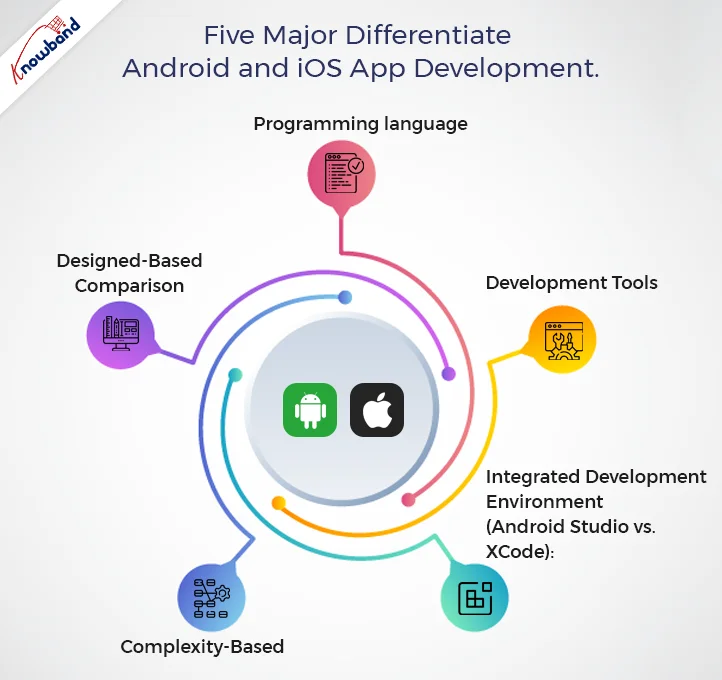
Android vs iOS App Development
| Feature | Android | iOS |
| Market Share | Higher | Lower |
| Device Variety | Extensive | Limited |
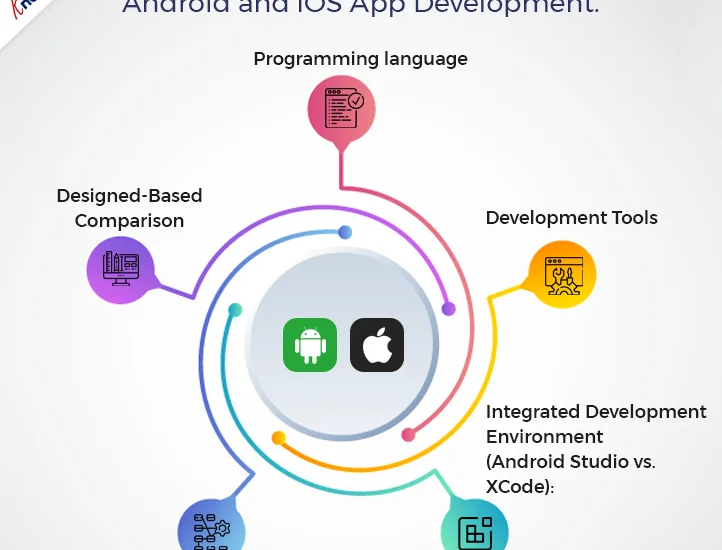
| Development Language | Kotlin, Java | Swift |
| Security | Strong | Very Strong |
| Revenue Potential | Good | Excellent |
| Customization | High | Moderate |
| Development Complexity | Moderate | Moderate |
Many successful businesses develop apps for both platforms.
Types of Mobile Applications
Native Apps
Built specifically for one operating system.
Advantages:
- High Performance
- Better Security
- Superior User Experience
Cross-Platform Apps
Single codebase for Android and iOS.
Popular frameworks include:
- Flutter
- React Native
Advantages:
- Lower Cost
- Faster Development
- Easier Maintenance
Progressive Web Apps
Web-based applications that behave similarly to mobile apps.
Advantages:
- Lower Development Cost
- Faster Deployment
Mobile App Development Process
1. Requirement Analysis
Understanding:
- Business Goals
- Target Audience
- Market Competition
2. Market Research
Research helps identify:
- Customer Needs
- Industry Trends
- Competitive Opportunities
3. UI/UX Design
Designers create:
- Wireframes
- Mockups
- Prototypes
A good user experience is critical for success.
4. Development
Developers build:
- Front-End Components
- Back-End Systems
- APIs
- Databases
5. Testing
Testing ensures:
- Performance
- Security
- Compatibility
- Stability
6. Deployment
Applications are launched on:
- Google Play Store
- Apple App Store
7. Maintenance
Ongoing support includes:
- Updates
- Bug Fixes
- Feature Enhancements
Essential Features of Successful Mobile Apps
User Registration
Secure sign-up and login systems.
Push Notifications
Keep users informed and engaged.
Payment Gateway Integration
Support secure transactions.
Real-Time Chat
Improve customer communication.
Analytics Dashboard
Track user behavior and performance.
Social Media Integration
Increase user engagement and sharing.
Technologies Used in Mobile App Development
Android Technologies
- Kotlin
- Java
- Android Studio
iOS Technologies
- Swift
- Xcode
Cross-Platform Technologies
- Flutter
- React Native
Backend Technologies
- Node.js
- Laravel
- Django
- ASP.NET
Databases
- MySQL
- PostgreSQL
- MongoDB
Mobile App Development Trends in 2026
Artificial Intelligence Integration
AI-powered applications provide:
- Smart Recommendations
- Chatbots
- Predictive Analytics
Internet of Things (IoT)
Apps connect smart devices for seamless automation.
Augmented Reality
Industries using AR include:
- Retail
- Real Estate
- Education
- Healthcare
Blockchain Technology
Improves:
- Security
- Transparency
- Payments
Voice Search Integration
Voice-enabled experiences continue growing rapidly.
Common Mistakes Businesses Make
Ignoring User Experience
Poor UX leads to high uninstall rates.
Lack of Market Research
Apps built without research often fail.
Overcomplicated Features
Simplicity often wins.
Poor Security
Security vulnerabilities damage trust.
Skipping Maintenance
Regular updates are essential.
Benefits of Hiring a Professional Mobile App Development Company
Professional agencies provide:
- Experienced Developers
- UI/UX Specialists
- Project Managers
- QA Experts
- Technical Support
Benefits include:
- Faster Development
- Better Quality
- Reduced Risk
- Long-Term Support
How Sky Sphere Delivers Exceptional Mobile App Solutions
At Sky Sphere, we specialize in creating innovative Android and iOS applications tailored to business goals.
Our services include:
- Custom Mobile App Development
- Android App Development
- iOS App Development
- Cross-Platform App Development
- UI/UX Design
- API Integration
- App Testing
- App Store Deployment
- Ongoing Maintenance
Our development team focuses on creating scalable, secure, and user-friendly applications that drive measurable business growth.
Conclusion
Android and iOS app development continues to be one of the most powerful investments businesses can make in the digital age. A professionally developed mobile application enhances customer engagement, increases brand visibility, improves operational efficiency, and creates new revenue opportunities.
Whether your goal is to launch a startup app, transform customer experiences, or streamline business operations, investing in mobile app development is a strategic decision that delivers long-term value.
Partnering with an experienced development company like Sky Sphere ensures your application is designed, developed, and optimized for success in today’s competitive mobile marketplace.